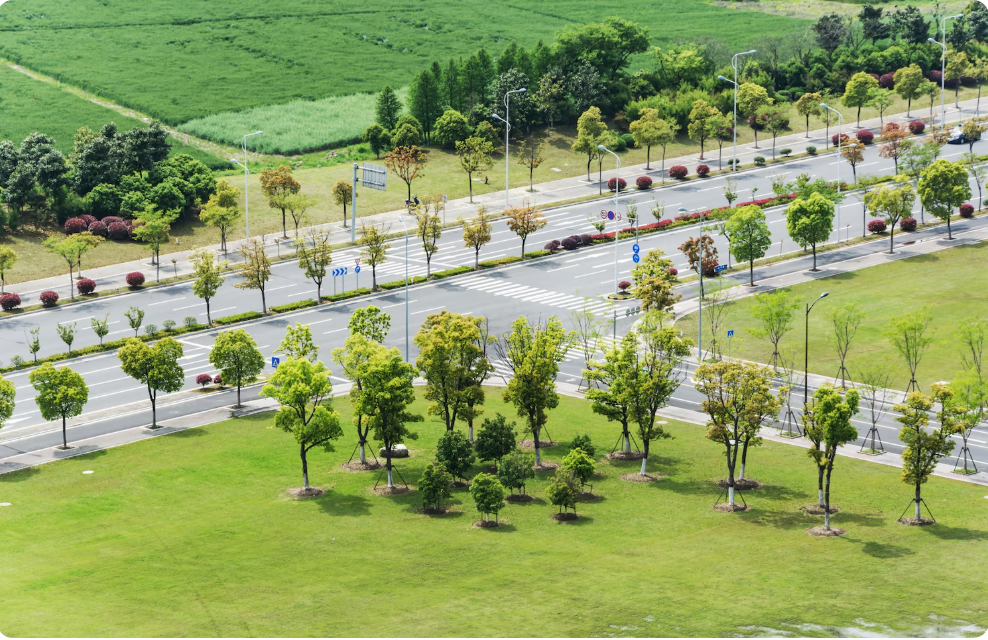
Introduction to Land and Plots Pricing
Land & Plots pricing is influenced by a wide range of economic, social, and physical factors that determine their market value. Unlike built properties, land derives its worth from potential, location, and future usability. Understanding what affects Land & Plots pricing helps buyers, investors, and developers make informed decisions and avoid costly mistakes in the real estate market.
Location and Accessibility
Location is one of the most powerful factors affecting Land & Plots pricing. Land situated near city centers, highways, schools, hospitals, and business districts usually commands higher value. Easy access to transportation and essential services increases demand, which directly raises prices. Remote or poorly connected Land & Plots often have lower market value due to limited usability.
Infrastructure and Development Potential
Existing and planned infrastructure plays a major role in determining the price of Land & Plots. Roads, water supply, electricity, sewage systems, and internet connectivity significantly enhance land value. Government approved development plans, upcoming metro lines, or commercial zones can rapidly increase pricing as future growth potential attracts buyers and investors.
Zoning Regulations and Land Use
Zoning laws define how Land & Plots can be used, whether for residential, commercial, industrial, or agricultural purposes. Land with flexible zoning options or permission for commercial use usually has higher value. Restrictions on construction height, density, or usage can limit potential and reduce pricing. Buyers must always consider zoning rules before evaluating land value.
Market Demand and Supply
Demand and supply dynamics strongly influence Land & Plots pricing. In areas where land availability is limited and demand is high, prices tend to rise steadily. Growing populations, urban expansion, and business growth increase demand for land. In contrast, areas with excess supply or slow development often experience stagnant or declining land prices.
Legal Clarity and Ownership Status
Clear legal titles significantly impact Land & Plots pricing. Land with proper documentation, clear ownership history, and approved layouts is more valuable and easier to sell. Disputed land, unclear titles, or pending legal issues reduce buyer confidence and lower market value. Legal transparency adds security and justifies higher pricing.
Size and Shape of the Plot
The size and shape of Land & Plots affect usability and pricing. Regular shaped plots are easier to develop and are more attractive to buyers. Larger plots often have higher overall value but may have lower price per unit area compared to smaller plots. Corner plots or plots with road access on multiple sides usually command premium prices.
Surrounding Environment and Neighborhood
The quality of the surrounding environment plays a key role in pricing Land & Plots. Proximity to green spaces, clean surroundings, and well planned neighborhoods enhances land value. Areas affected by pollution, noise, or overcrowding often see reduced demand. Social infrastructure and neighborhood reputation also influence buyer perception and pricing.
Economic Conditions and Interest Rates
Broader economic conditions impact Land & Plots pricing. During periods of economic growth, rising incomes and increased investment push land prices upward. Interest rates also influence buyer affordability. Lower interest rates encourage investment in land, increasing demand and prices, while higher rates may slow down market activity.
Government Policies and Taxation
Government policies, land reforms, and taxation directly affect Land & Plots pricing. Changes in stamp duty, property taxes, or land acquisition laws can influence buyer sentiment. Incentives for development or infrastructure projects often increase land value, while strict regulations or higher taxes may limit price growth.
Future Growth Expectations
Expectations of future development strongly shape current Land & Plots pricing. Investors often buy land based on projected appreciation rather than present utility. Areas identified for smart cities, industrial corridors, or urban expansion experience rising prices due to anticipated demand. Long term vision plays a crucial role in land valuation.
Conclusion on Pricing Factors
Land & Plots pricing is determined by a combination of location, infrastructure, legal status, market conditions, and future potential. Each factor contributes to the overall value and investment appeal of land. Understanding these influences allows buyers and investors to evaluate opportunities wisely and make strategic decisions in a competitive real estate landscape.