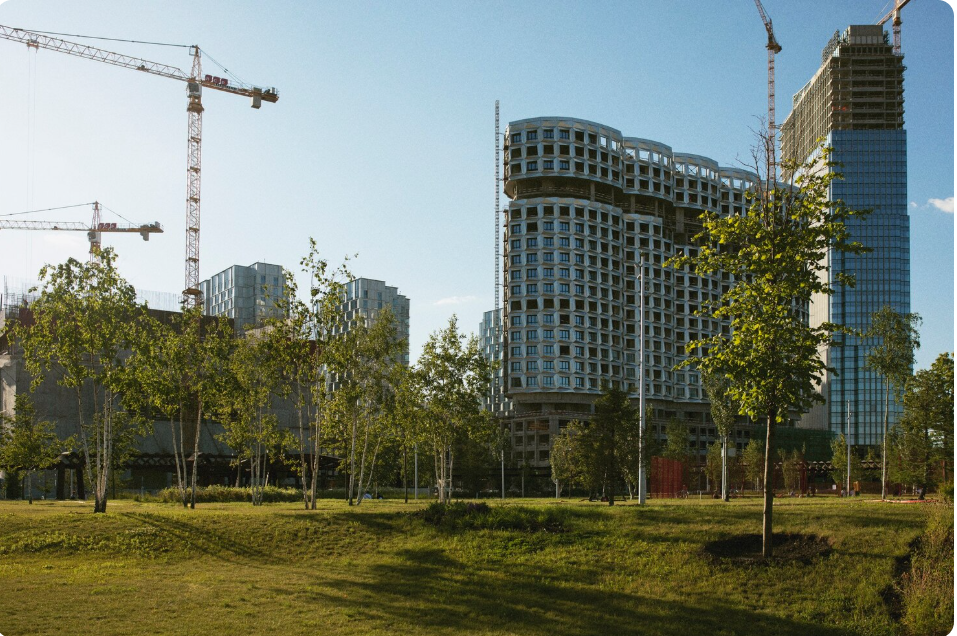
Introduction to Urban Development
Urban development plays a pivotal role in shaping modern cities, influencing infrastructure, real estate growth, economic opportunities, and quality of life. It encompasses planning, construction, and management of residential, commercial, and public spaces. Understanding the key trends shaping urban development today helps policymakers, developers, and investors create sustainable, efficient, and vibrant urban environments that meet the evolving needs of society.
Sustainable and Green Urban Planning
Sustainability is a major trend in urban development. Cities are increasingly adopting green building practices, energy efficient infrastructure, and eco friendly public spaces. Incorporating renewable energy, waste management systems, and sustainable transportation reduces environmental impact while promoting livable communities. Sustainable urban planning ensures long term economic and social benefits for residents and investors alike.
Smart Cities and Technology Integration
The rise of smart cities is transforming urban development. IoT devices, data analytics, AI powered systems, and digital infrastructure improve city management, traffic control, energy distribution, and public services. Technology enables more efficient urban planning, reduces operational costs, and enhances the quality of life for residents, making urban development smarter and more responsive.
Public Transportation and Connectivity
Efficient public transportation and connectivity are critical trends shaping urban development. Investment in metro systems, bus networks, bike lanes, and pedestrian friendly infrastructure supports mobility and reduces congestion. Well connected urban areas increase property value, attract businesses, and enhance the overall appeal of cities for residents and investors.
Affordable and Inclusive Housing
Urban development trends emphasize inclusive and affordable housing solutions. Policies and projects aim to provide access to housing for low and middle income populations, reduce informal settlements, and promote social equity. Affordable housing initiatives ensure diverse communities, improve urban livability, and create long term opportunities for real estate growth.
Mixed Use Developments
Mixed use developments are gaining popularity in urban areas. Combining residential, commercial, retail, and recreational spaces in a single area promotes convenience, reduces travel time, and enhances community interaction. Mixed use projects optimize land use, increase economic activity, and attract both residents and investors seeking dynamic urban environments.
Urban Revitalization and Redevelopment
Urban revitalization projects are transforming older neighborhoods and underutilized areas. Redevelopment initiatives focus on infrastructure upgrades, heritage preservation, and modern housing solutions. Revitalized urban areas attract investment, increase property values, and improve the overall quality of life, making redevelopment a key trend in contemporary urban development.
Environmental Resilience and Disaster Planning
Cities are increasingly integrating environmental resilience and disaster management into urban development. Flood control systems, green buffers, emergency response planning, and climate adaptive infrastructure protect urban populations and assets. Resilient cities ensure safety, minimize losses, and maintain sustainable growth even under adverse environmental conditions.
Community Engagement and Social Infrastructure
Community engagement is a growing trend in urban development planning. Incorporating citizen feedback, participatory design, and public consultation ensures projects meet the needs of residents. Social infrastructure such as schools, hospitals, parks, and recreational facilities fosters community well being, strengthens social ties, and enhances urban livability.
Economic Development and Investment Opportunities
Urban development drives economic growth by creating commercial zones, industrial hubs, and business districts. Well planned cities attract investments, generate employment, and enhance property demand. Strategic urban development aligns infrastructure, real estate, and economic planning, maximizing returns for investors and improving overall urban prosperity.
Conclusion and Strategic Insights
Urban development today is shaped by sustainability, smart city technology, transportation connectivity, affordable housing, mixed use projects, urban revitalization, environmental resilience, community engagement, and economic growth. Understanding these trends enables policymakers, developers, and investors to plan effectively, create thriving urban environments, and optimize real estate and social outcomes. Strategic and adaptive urban development is essential for building sustainable, inclusive, and prosperous cities for the future.